
How it works
One operating model. Applied to different bottlenecks.
The specific system differs by market. The operating logic is the same across all of them: identify the signal or leakage point, structure the evidence, build the system layer, run it, and measure what changes.
What makes a good Harbour Way project.
Not every commercial problem is the right fit. Harbour Way works well when there is a clear, identifiable bottleneck — a point in the pipeline where work is being lost or where opportunities are being missed — and where the right data and workflow can address it systematically.
The projects that work best are those where the problem is specific, the evidence is accessible, and the client wants a structured ongoing system rather than a one-off campaign or a consulting engagement that ends with a report.

Good fit
- Clear commercial bottleneck
- Accessible data signals
- Repeatable workflow opportunity
- Measurable output available
Less suitable
- General brand awareness work
- Undifferentiated mass outreach
- Markets with no usable signal data
- One-off campaigns without follow-through
The operating model
Five stages, every engagement.
This sequence applies whether we are running an opportunity system or a conversion system. The specific tools and data sources change. The structure does not.
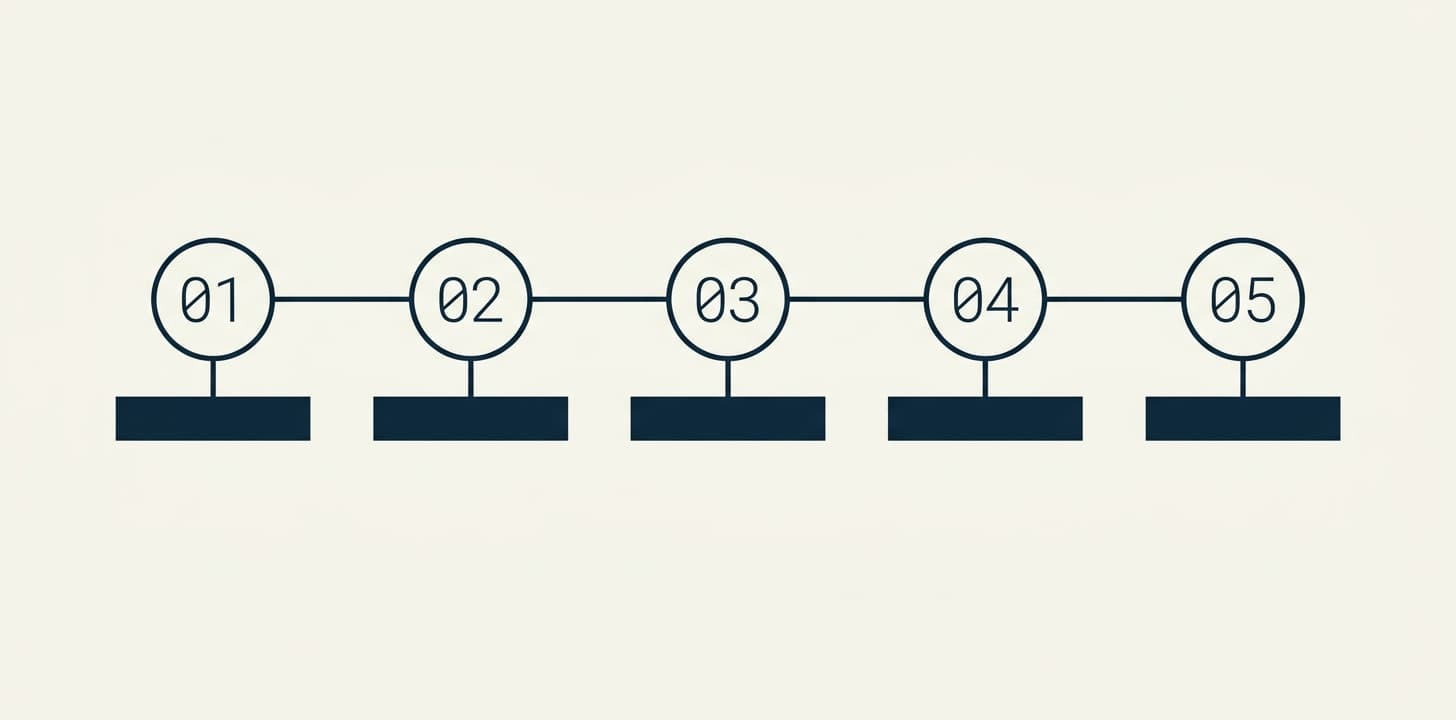
Signal or bottleneck identification
Every engagement starts with a clear commercial question: where is the opportunity being missed, or where is the work leaking? We identify the specific point of failure before designing anything.
System design
We map the data sources, workflows, and decision points needed to address the bottleneck. No guesswork — the design is grounded in what the evidence actually supports.
Evidence packaging and workflow structure
Raw signals and data points are structured into credible, usable outputs — whether that's an outbound brief, an onboarding sequence, or a qualification framework.
Outreach or continuity execution
We run the system. For opportunity systems, that means controlled outbound at the right timing. For conversion systems, that means structured follow-up and onboarding continuity.
Qualification and measurement
Every system produces a measurable output. We track what changes, identify what isn't working, and adjust. You get a clear picture of what the infrastructure is producing.
System categories
Two types of commercial problem, two types of system.
Opportunity Systems
Finding work before it becomes contested.
These systems are built for firms that need to identify and reach the right accounts earlier — before a tender is issued, before a competitor gets there, before the buyer has already formed a shortlist.
They work by capturing a market signal — a planning application, a compliance indicator, a procurement notice — and translating it into structured, credible outreach timed for when it can actually land.
Conversion Systems
Keeping more of the work already in reach.
These systems address leakage — the gap between first contact, quote, or instruction request and signed work. Most firms underestimate how much work they lose in this gap, because no one is tracking it precisely.
They work by introducing structured continuity into the workflow — consistent follow-up, clear onboarding steps, and timestamps that show exactly where a matter stalled and why.
Quote to Keys →See which system fits your bottleneck.
Most conversations start with a single question: where is your pipeline losing work? We can help you work that out in a short call, with no obligation to go further.